During an SEL lesson, students explored the meaning of the word perfection. In a kindergarten classroom, it’s common for students to feel frustrated when their work doesn’t match a model example or turn out the way they intended. To help shift this mindset, I consistently encourage them to “try your best,” emphasizing that effort is more important than being perfect. We also discussed how mistakes help us grow and challenge ourselves to improve.
After defining perfection together, we talked about how we respond when things don’t go as planned. Some students shared that they tend to shut down and give up, while others said they try to keep going, even when it feels difficult. We reinforced positive thinking by practicing affirmations, reminding ourselves out loud that “we can do hard things!”
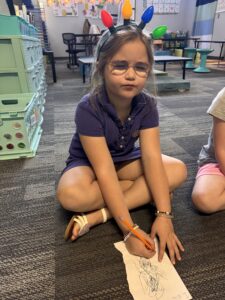
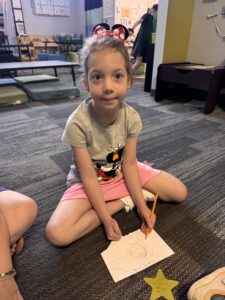
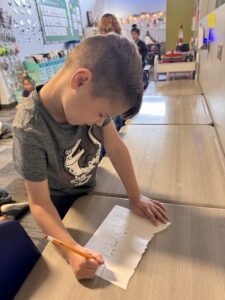
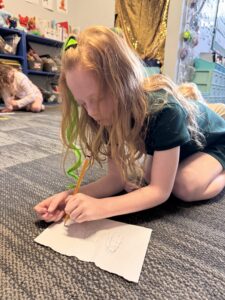
As an extension activity, students were given a blank piece of paper and asked to either draw with their eyes closed or use their non-dominant hand. The results were silly and imperfect, but that was the point. Students could clearly see that none of the drawings were perfect, yet they still enjoyed the process and even tried to improve their work. This activity helped reinforce the idea that learning is about effort, persistence, and having fun—not perfection.