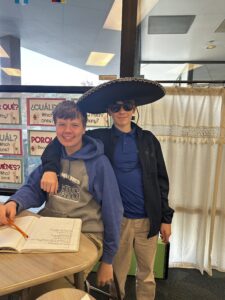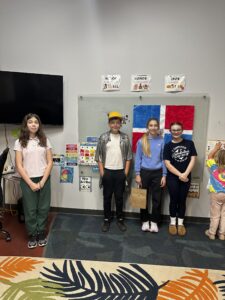

We recently wrapped up a fantastic unit on family (la familia) in 6th grade Spanish, and I wanted to share what students accomplished!
Throughout this unit, students mastered expressing ages using phrases like “¿Cuántos años tienes?” (How old are you?) and learned to identify a wide range of family relationships—from immediate family like parents (padres) and siblings (hermanos) to extended family such as grandparents (abuelos), aunts & uncles (tías & tíos), and cousins (primos). They also learned descriptive adjectives used with the verb ser (to be), so they can now describe family members both physically and by personality using words like alto/a (tall), simpático/a (kind), and inteligente (intelligent). 👨👩👧👦
Family is one of the best entry points into a new language because it’s personal and universal. By learning to talk about their own families in Spanish, students connect the language to their real lives, making it feel relevant and memorable. If you’d like to support their learning at home, consider asking them to describe family members in Spanish or having them teach you some of the vocabulary they learned.
It’s been wonderful to see students light up when talking about their families in Spanish! ❤️🇪🇸